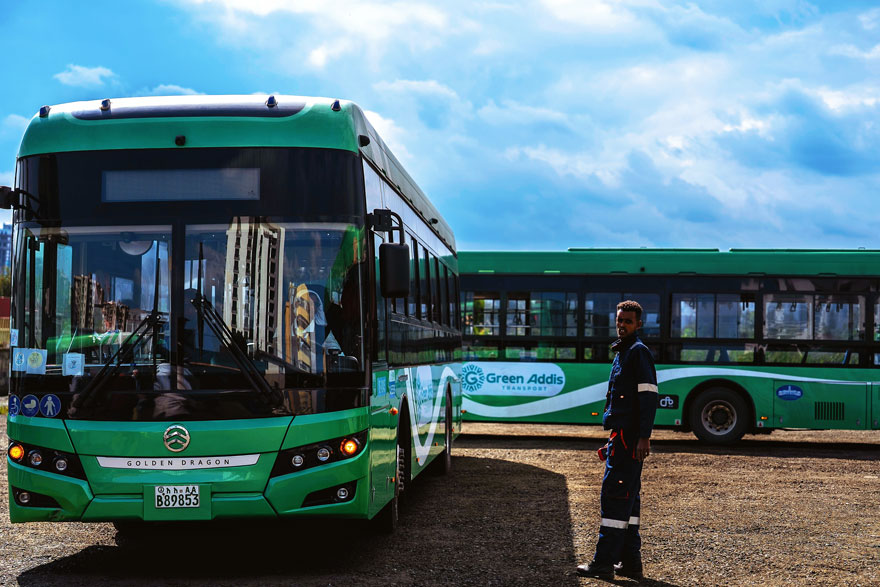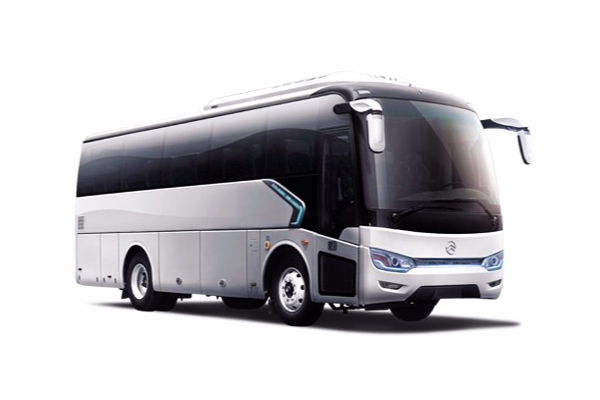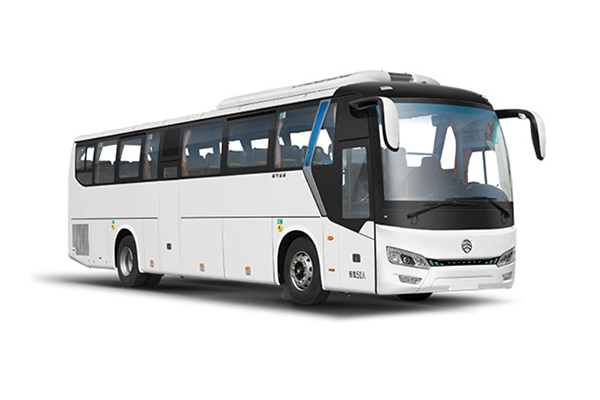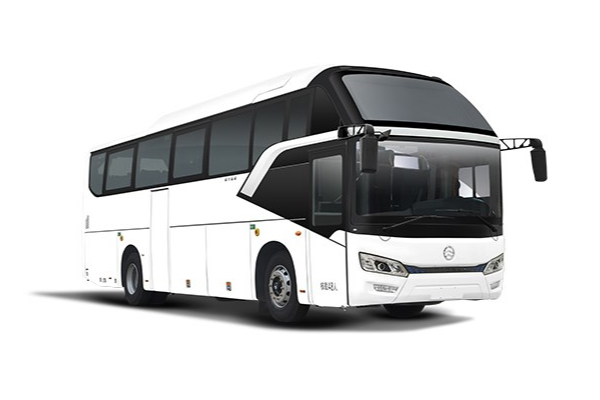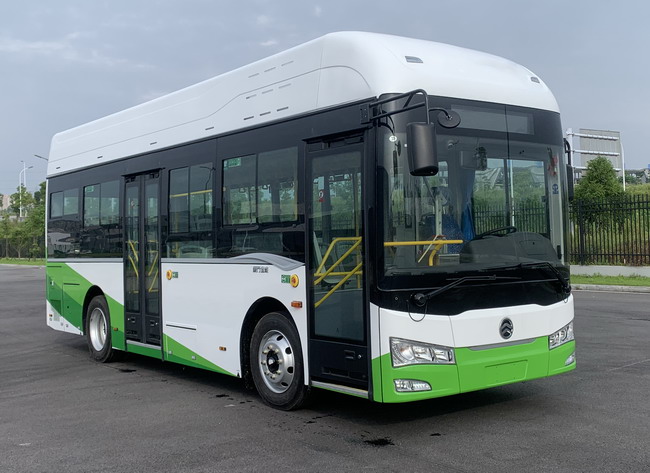
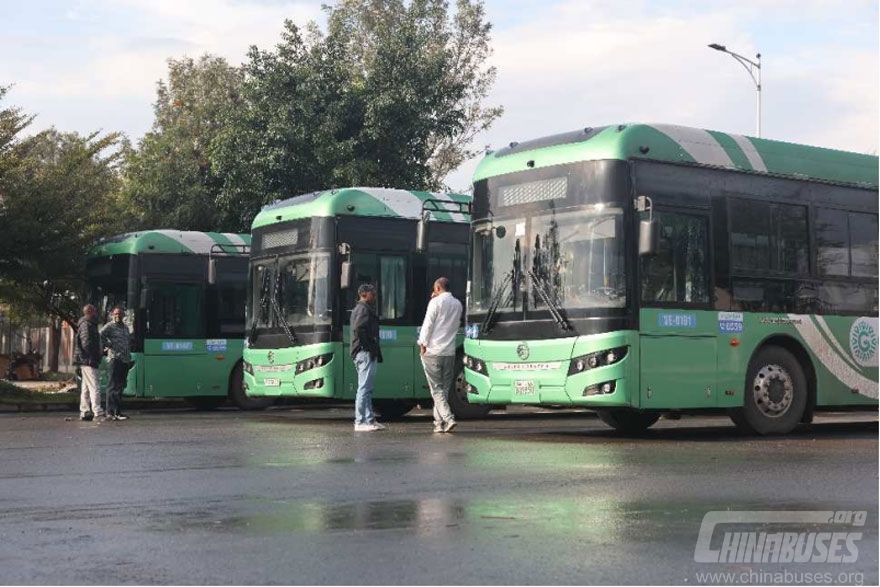
On 10 September, three PIVOT E12 units set off from Addis Ababa, Ethiopia's capital, for what amounted to a real-world extra-credit road test. The fleet headed roughly 800 km south to Moyale, a border town on the Ethiopia-Kenya frontier, to pick up an e-bus delegation travelling north from Nairobi, Kenya. It then ferried the group back to Addis Ababa for the Nordic-Africa EV Summit. The round trip spanned approximately 1,600 kilometres over four days, with no established public charging infrastructure along much of the route.
The ambitious cross-border e-bus expedition from Nairobi to Addis Ababa was conceived by Alex Munene, founder of Kenya's Advanced Mobility Centre, as a lead-up to the summit. It marked the first-ever all-electric bus journey along the Nairobi-Addis Ababa transport corridor.
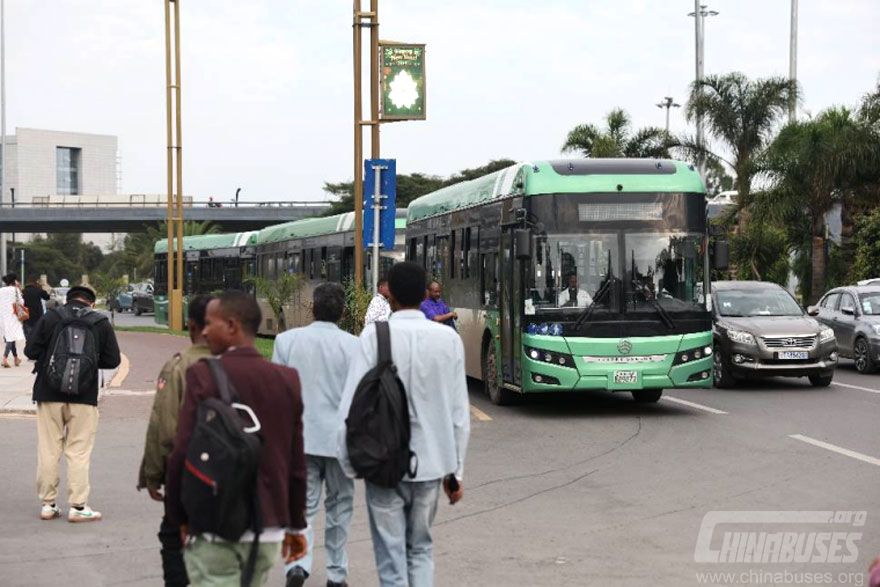
A long-distance electric-vehicle trial had already taken place on the same corridor last year. While it proved long-haul electric travel between Kenya and Ethiopia was technically achievable, it also laid bare major constraints around charging access, power supply and road conditions. This year's challenge stepped up to full-size electric buses — heavier, more energy-intensive and carrying passengers. The core question was straightforward: can electric buses deliver intercity service across East Africa where charging infrastructure remains underdeveloped?
Golden Dragon was tasked with executing the Ethiopian leg. Its e-buses were already in service on Addis Ababa's urban routes; now they would venture beyond city limits for a rare real-world validation exercise. "Lab testing cannot tell you whether a city bus can handle long-distance travel. You only find out by actually driving it," said Yuan Hongxing, Golden Dragon service engineer in charge of on-site support for the mission.
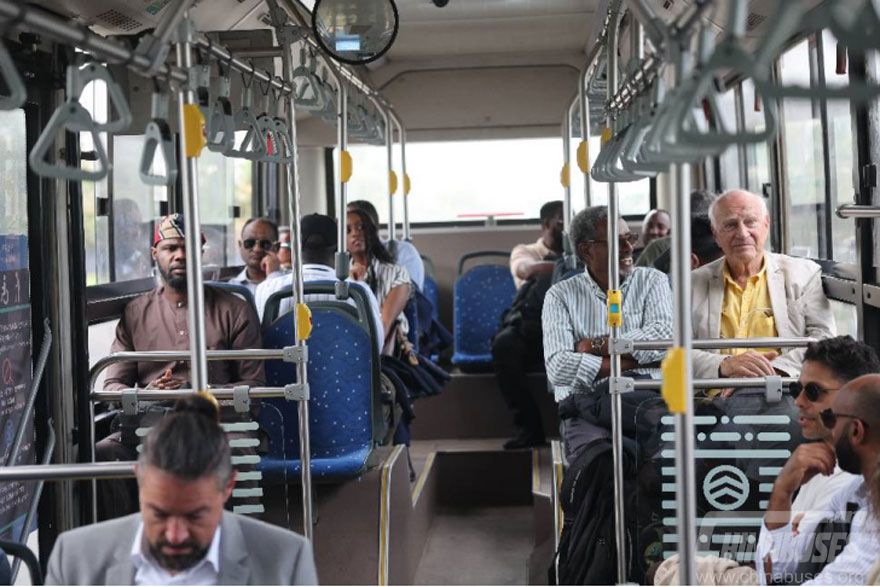
Leaving the capital, the convoy travelled south via Bishoftu and Batu. High traffic, potholed pavements and livestock wandering onto carriageways formed part of daily operating conditions. The fleet endured intense daytime solar exposure interspersed with rain. Travelling from the high-altitude capital down toward the southern border involved around 1,000 metres of elevation change with successive steep gradients; the outbound route trended downhill, while the return leg meant climbing all the way back up. Daily mileage averaged around 400 km — more than double the buses' typical urban duty cycle.
Power supply represented the biggest hurdle. Two of the three buses carried portable charging equipment, while Ethiopia Electric Utility (EEU) facilitated grid power access at pre-planned stops in Hawassa, Yabelo and Moyale. Fitted with 350 kWh battery packs, the buses achieved a maximum single-charge range of roughly 350 kilometres. In Hawassa, all three units were charged simultaneously from approximately 30% to 100% capacity in about one hour. Across the full round trip, the fleet completed only five charging stops in total.
Over four days, covering 1,600 km with five recharge events, the buses ran without breakdowns or vehicle substitutions. For the Golden Dragon PIVOT E12, the distances, rough road conditions and passenger loads far exceeded standard urban-bus operating profiles. The fleet passed this tough field trial with solid performance, delivering an impressive real-world result.