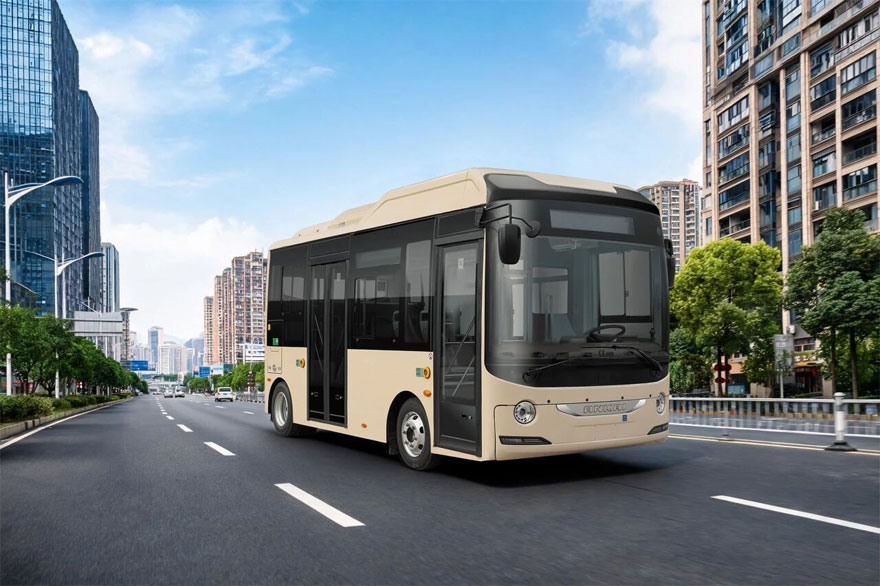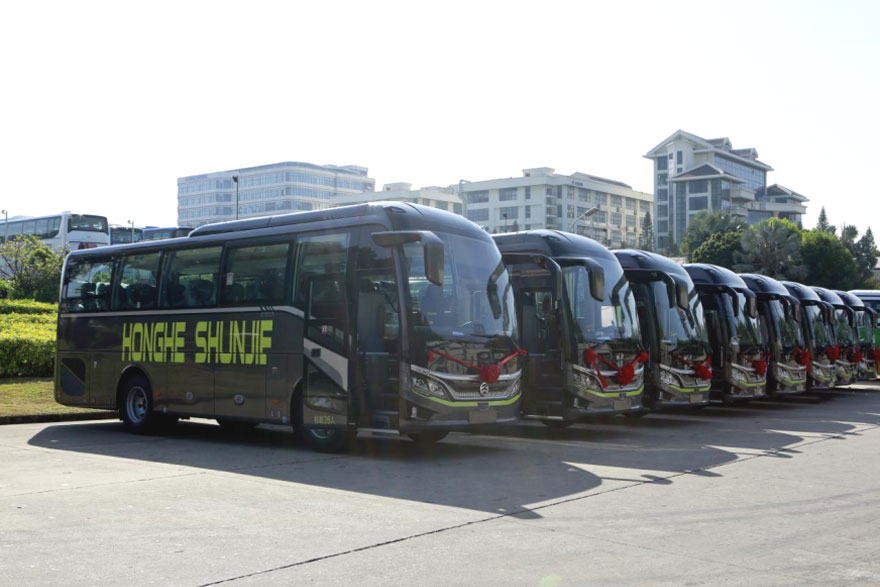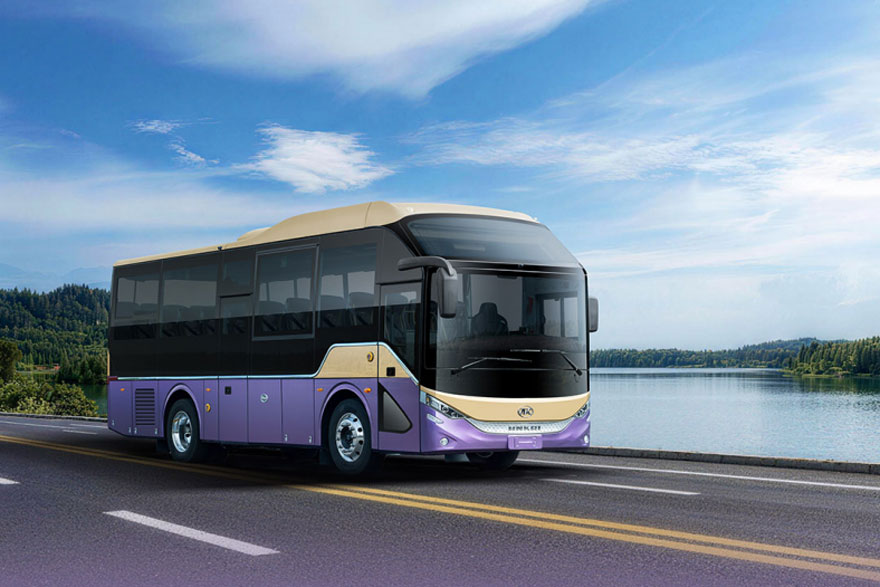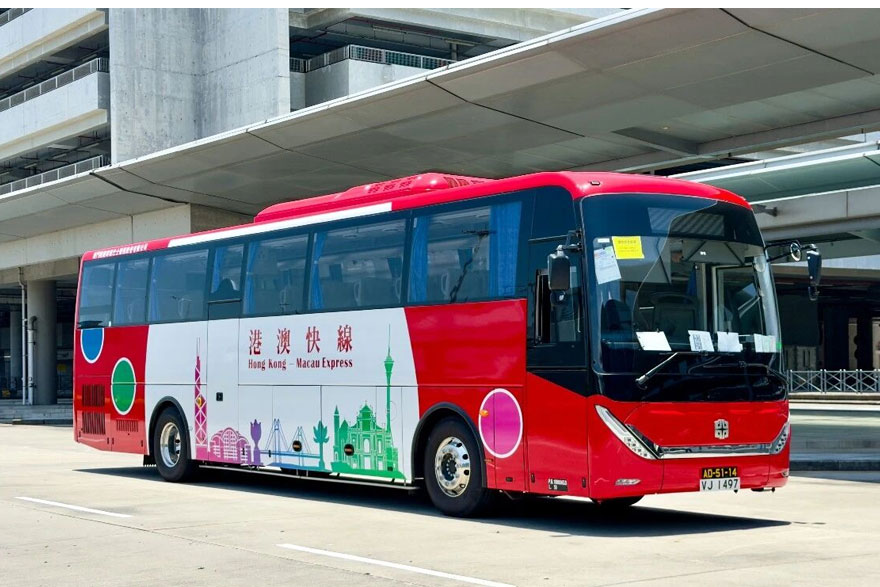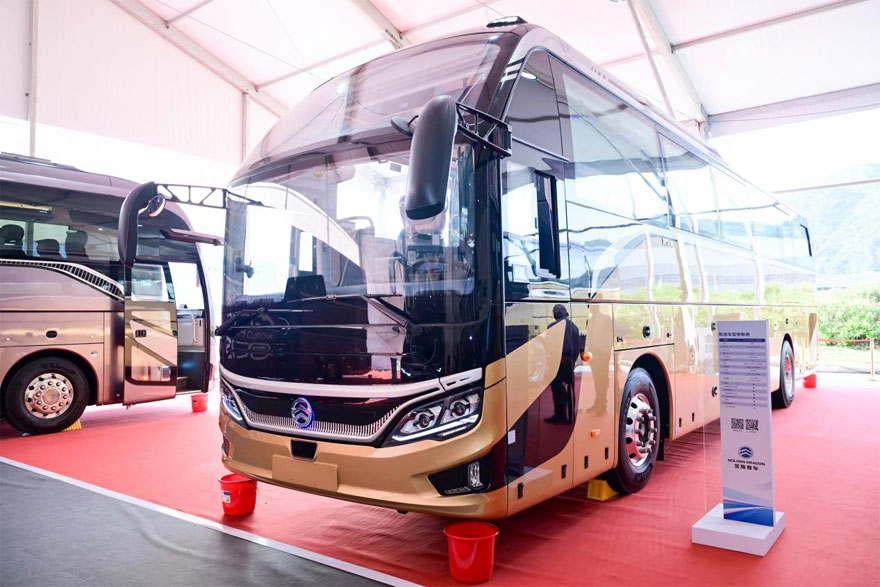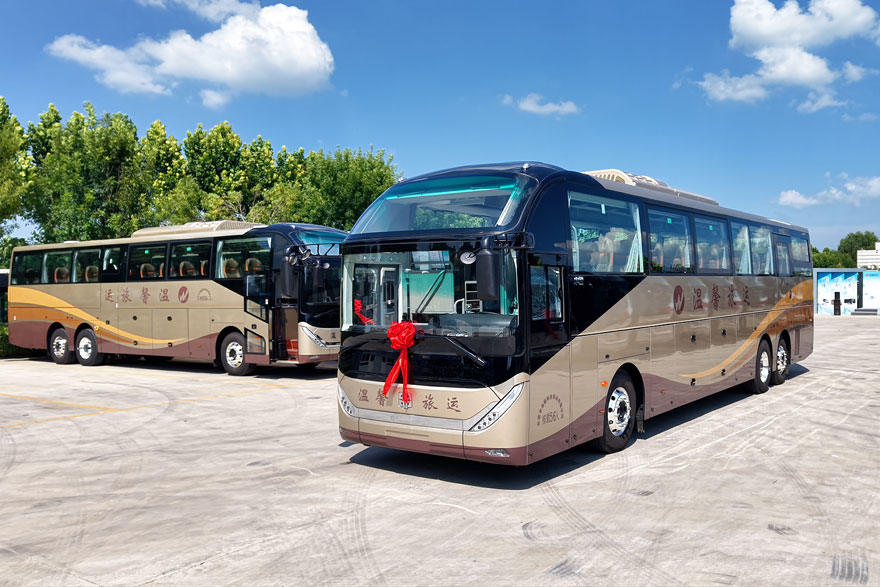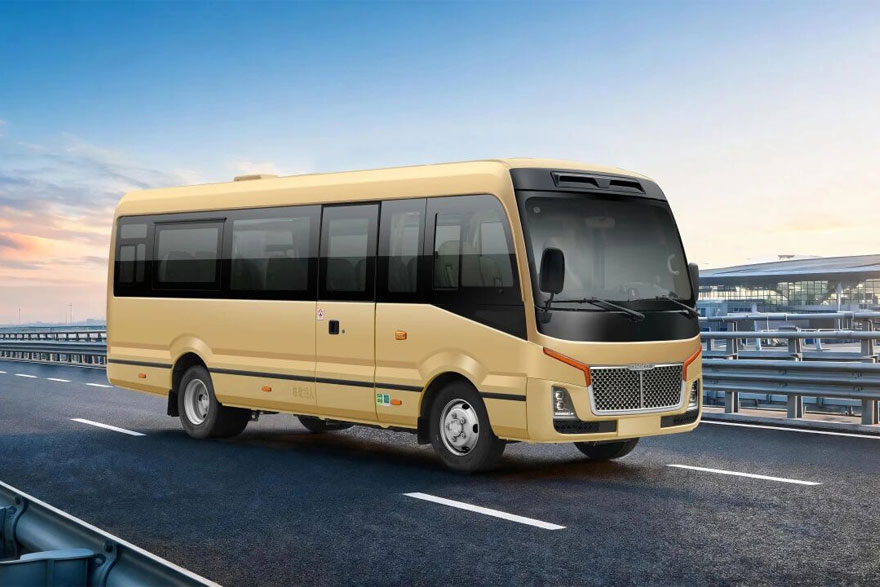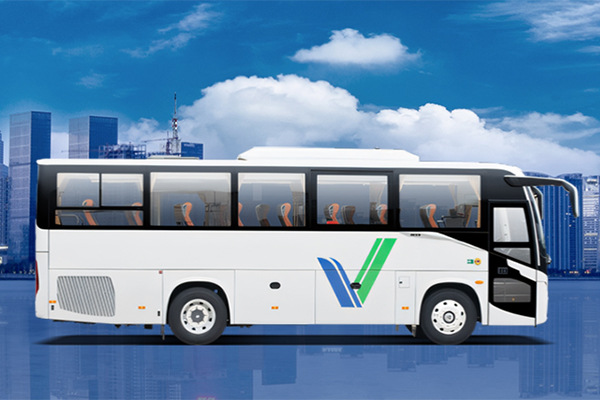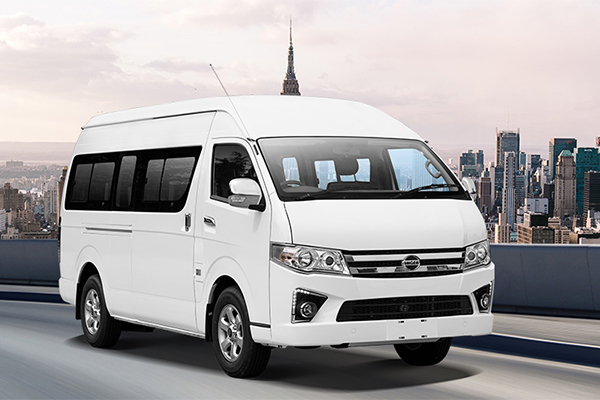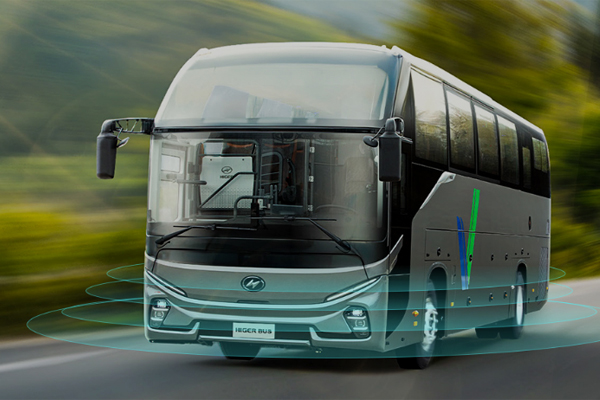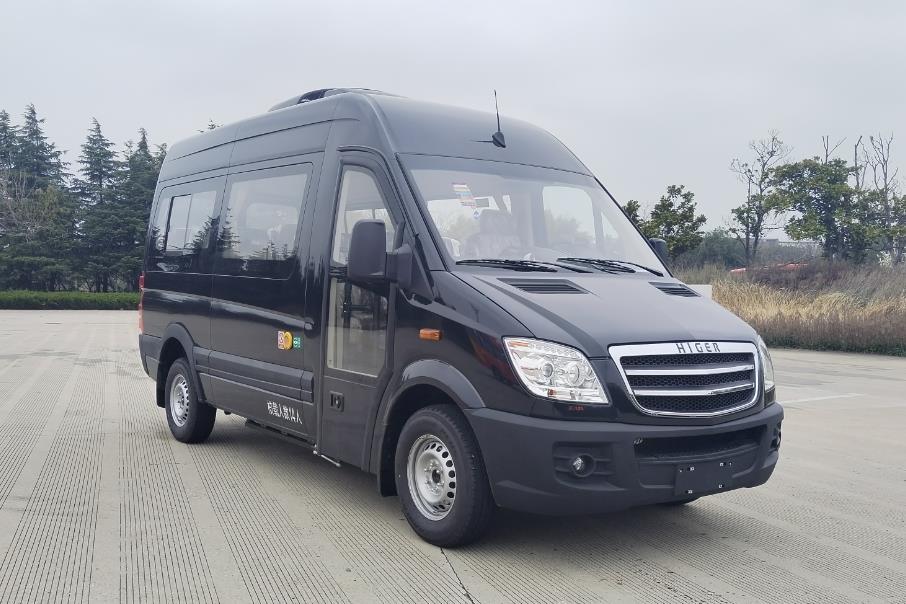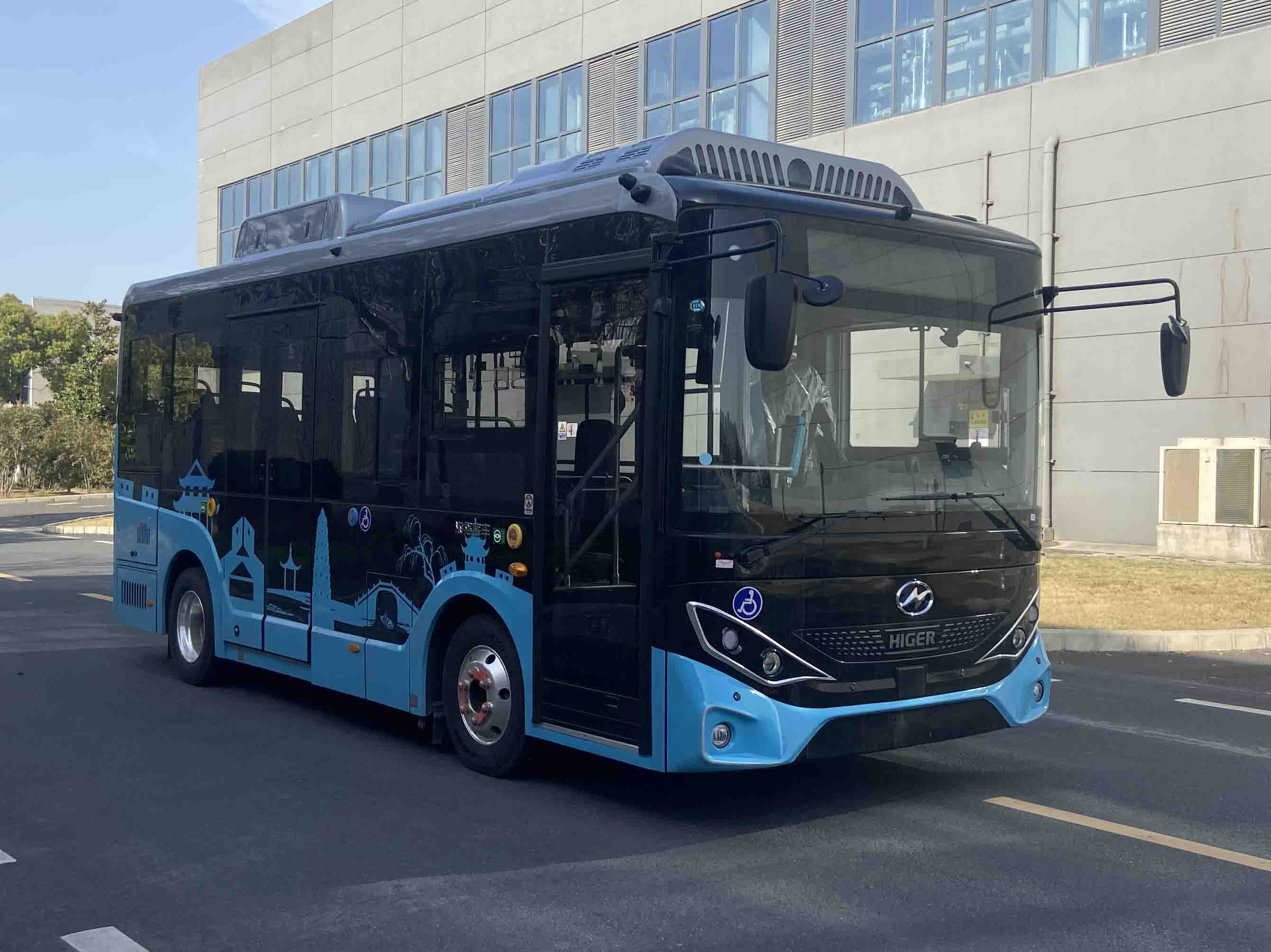
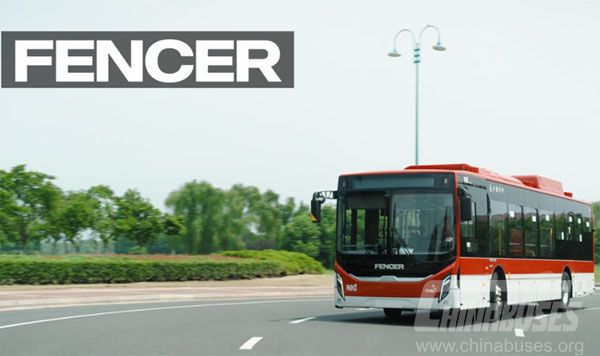
All of these zero-emission transit buses roll off the production line of Higer Bus. Since making its first overseas foray back in 2005, Higer has cultivated global markets for over two decades, with its footprint stretching across more than 150 countries and regions worldwide. Evolving from early-stage standalone complete vehicle exports, the brand has upgraded into a full-value-chain outbound development model integrating technology transfer, after-sales service, and talent cultivation. Higer buses plying routes around the globe bear witness to China’s manufacturing industry going global.
Chinese Engineers Stationed at the Foot of the Andes
On the vital bus route linking Terminal Bcg1 Buses Vule to downtown Santiago’s railway station, Higer FENCER e-buses run regular scheduled services. Chen Feng, Higer’s resident Chinese service engineer based in Chile, oversees daily vehicle maintenance, troubleshooting, and performance optimization. During routine onboard inspections, he connects a diagnostic laptop to pull real-time operational data covering battery status, powertrain parameters, and driving conditions, accumulating first-hand statistics to support ongoing vehicle upgrades.
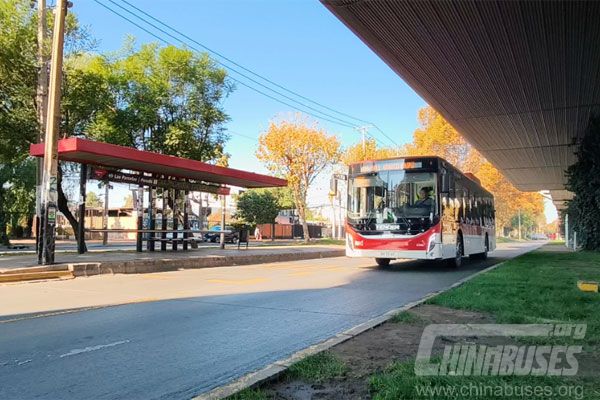
The regular on-site checks often spark curiosity among local passengers. Once, a commuter boarded and enquired about the bus’s origin. Shocked to learn that the entire local fleet was Chinese-built in substantial numbers, he asked: “Doesn’t performance diagnosis and repair require in-depth manual inspections inside garages? How can these Chinese buses complete full-vehicle testing and optimization simply via a compact diagnostic device?”
Chen explained that modern Chinese new-energy buses are equipped with intelligent onboard systems enabling real-time data synchronization; most performance calibration and fine-tuning can be completed remotely online, cutting reliance on traditional in-workshop manual troubleshooting.
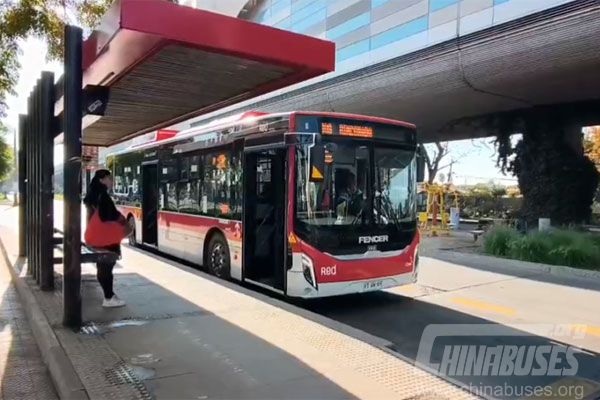
From his frontline perspective, Chen has witnessed a dramatic energy transition within Chile’s public transport sector. “Higer’s Chilean fleet has fully shifted away from fossil fuels. Our early deliveries were predominantly diesel-powered, yet all newly commissioned urban buses across the country have been all-electric starting from 2019,” he noted, with electric coaches now dominating Santiago’s public transit network.
Customized adaptation to local terrain and climate underpins Higer’s sustained market success in Chile. Back in 2005, the first batch of 20 Higer buses arrived in Chile to kick off bilateral passenger transport cooperation. Rugged topography defines the nation: the Andes cut across Chile with steep, undulating mountain roads, while coastal zones suffer persistent salt-laden atmospheric corrosion, imposing stringent requirements on vehicle structural durability and anti-corrosion performance.
Targeted Localized Product Refinements
To cope with harsh local operating conditions, Higer refined production techniques by reinforcing vehicle frame rigidity and adopting upgraded anti-corrosion body materials. Every bus comes pre-fitted with wheelchair ramps and locking fixtures to satisfy national accessibility regulations and meet local public transport standards.
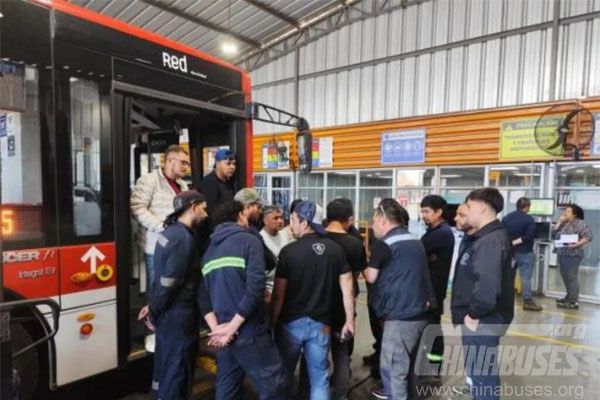
A comprehensive localized service network has also been established to guarantee long-term reliable fleet operation. According to Liu Xin, Head of Overseas Customer Service at Higer, two dedicated spare parts warehouses have been built across the Santiago metropolitan area to enable rapid component restocking and slash vehicle downtime for repairs. The after-sales team consists of nearly ten locally recruited technicians alongside three to five permanently stationed Chinese engineers, who deliver hands-on coaching and on-site skill training to foster indigenous maintenance specialists. This localized maintenance framework ensures consistent, round-the-clock operational support for Santiago’s entire Higer bus fleet.
Trust Built on Cost Savings amid Surging Fuel Prices
Higer’s fruitful expansion across Latin America stems from 20 years of persistent market investment alongside tailored technical and after-sales solutions. Halfway across the globe in Southeast Asia’s Philippines, Higer has grown alongside domestic carriers by developing products targeted to resolve local passenger transport’s core operational pain points.
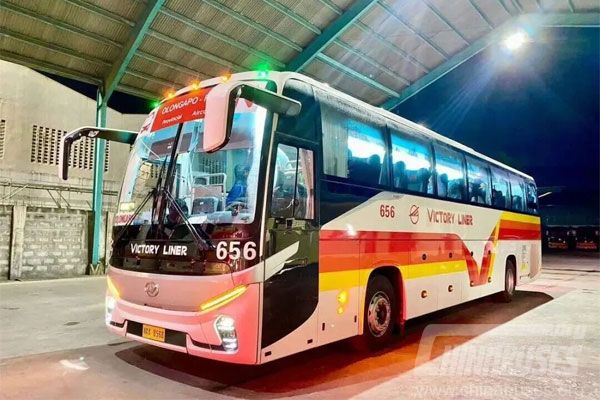
In April 2026, skyrocketing domestic fuel prices dealt a severe blow to Philippine road carriers. Local operators revealed that a full tank of diesel for conventional buses costs as much as 53,272 Philippine Pesos, pushing many long-distance routes to the brink of financial losses. By contrast, every 100 kilometers of travel cuts operational expenses by roughly 2,284 Pesos for Higer’s all-electric buses; a daily 520-kilometer service saves approximately 11,876 Pesos in fuel outlay.
“Purchasing Higer electric buses in advance turned out to be a lifesaver, easing our financial strains,” commented a local transport operator. Field feedback highlights the EVs’ convenient charging, steady power output, and low in-cabin noise, earning high satisfaction from riders. Thanks to tangible economic gains and improved passenger experience, the firm plans to ramp up Higer procurements and complete full fleet electrification down the line.
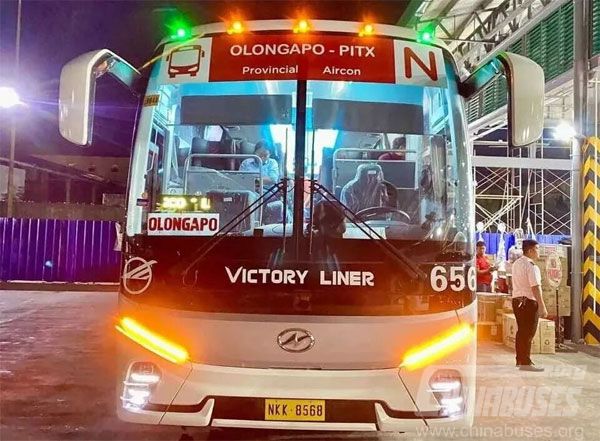
Based in southern Luzon, Bus Operator B is one of Higer’s long-standing Filipino partners. Lu Shimin, Regional Service Supervisor for Higer’s Southeast Asia Division One, recalled that the firm previously ran just 30 coaches serving short-haul regional routes. After striking a strategic partnership with Higer and introducing the brand’s flagship models for trunk-line services, the operator secured operational rights to major intercity corridors including Quezon City–Bicol. What began as a small regional operator has grown into a leading transport provider covering Manila and the entire Bicol region.
“Boosted by consistent product reliability, Operator B placed a bulk order for over 20 units of Higer’s NEW V Series premium diesel buses starting in 2025,” Lu added. Boasting lightweight body construction paired with high-efficiency powertrains, the new model delivers over 35% better fuel economy compared to conventional buses, slashing long-term fuel bills and routine maintenance spending. Superior exhaust emissions and lower carbon footprints also align perfectly with the Philippines’ national green transport agenda, helping the operator strike an optimal balance between cost control and environmental compliance.
From daily urban commutes beneath the Andes to cross-country long-distance travel across Luzon Island, Higer’s two-decade global expansion has never hinged on one-off bulk export deals. Instead, lasting market trust comes from region-specific vehicle customization, responsive after-sales support tailored to real-world operating scenarios, and years of proven field performance. As Higer-branded Chinese-built buses become a familiar streetscape worldwide, Higer is writing a new chapter for China’s manufacturing globalization: sustainable international growth rooted in localized dedication rather than sheer sales volume.