IRU members have unanimously adopted a resolution calling for a fuel crisis mechanism and urging governments to work with road transport operators on the development of contingency plans.
The conflict in the Middle East has severely disrupted trade routes and energy markets. For the road transport industry, the energy shock has been amplified by fuel excise duties and VAT.
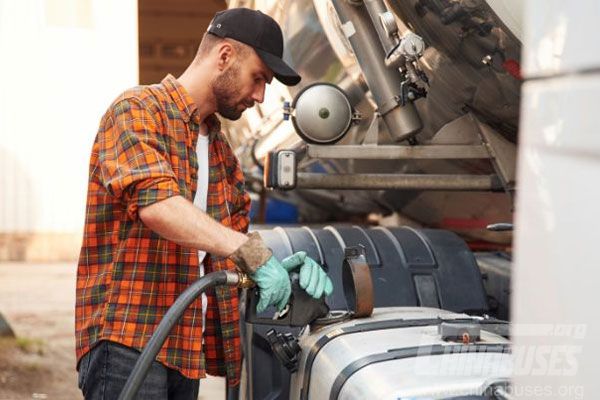
Most road transport operators, more than 90% of which are SMEs, operate on margins of only 1–3%, leaving them with no buffer to absorb such sudden increases.
A 10% increase in fuel prices within one week and/or single-day price volatility above 10% constitute clear signs of a fuel crisis.
To ensure the long-term resilience of essential mobility networks and supply chains, as well as maintaining vital road transport services during a crisis, IRU calls on governments to enact the following fuel crisis mechanism:
Immediate action – Phase 1: Beginning of the crisis
Release strategic oil reserves in a way that ensures the actual availability of refined products
Reduce, temporarily, fuel excise duties for road transport operators
Implement temporary fuel price increase caps to address market volatility
Engage with operators on the development of contingency plans
Immediate action – Phase 2: Ongoing crisis
Implement a temporary crisis state-aid framework providing financial support to operators
Provide low-interest liquidity loans to affected operators through national development banks
Deploy contingency plans for fuel and its additives in case of acute shortages
Strategic, long-term action: Fostering global resilience
Establish a permanent fuel price indexation mechanism – encouraging its use in public and business-to-business contracts – and a fuel supply monitoring observatory
Introduce a single professional fuel duty applicable to all transport sectors
Incentivise the use of alternative fuels, including fossil-free fuels such as biodiesel
Encourage modal shift from private cars to collective modes of transport